
Opioid Use Disorder
Try to keep the person awake and breathing and lay the person on their side to prevent choking. Ideally, anyone taking opioids should have access to naloxone, a medicine that can quickly reverse opioid overdose, in case of accidental or other overdose. Naloxone kits are available for free in many places and your doctor can prescribe one. Up to 19% of people who take prescription pain medication develop an addiction or use disorder. It results from a pattern of repeated use of opioids that’s hard to stop. Often, the disorder comes on after you’ve developed tolerance and dependence.
Drugs for Addiction
- When opioids enter the body, they interact with nerve cells in the brain, spinal cord, the digestive tract, and elsewhere.
- People use a number of terms to describe problems with opioids, including addiction, dependence, tolerance, abuse, and use disorders.
- Opioid-related deaths are highest among individuals between the ages of 40 and 50 years, while heroin overdoses are most common among individuals between the ages of 20 and 30 years.
- People misusing opioids may try to switch from prescription drugs to heroin when it’s easier to get.
- OUD is defined by opioid use that’s hard to stop or reduce for several reasons.
Of note, prescribers are still required to comply with any applicable state limits regarding the treatment of patients with OUD. Information on State Opioid Treatment Authorities (SOTA) can be found at SAMHSA.gov. Opioids can make your brain and body believe the drug is necessary for survival. As you learn to tolerate the dose you’ve been prescribed, you may find that you need even more medication to relieve the pain or achieve well-being, which can lead to dependency. Addiction takes hold of our brains in several ways — and is far more complex and less forgiving than many people realize. Even if you have Narcan at home, it’s still important to call 911 if you suspect an overdose.
The heart plays a hidden role in our mental health
The first step in treating opioid abuse is someone recognizing that they have a problem and wants to quit using drugs. Sometimes this occurs opioid addiction treatment as a result of a medical emergency from drug use. Other times this can come from discussions with concerned family and friends.
Signs of Opioid Abuse
It’s one of several sweat lodges on the tribe’s land, but this one is dedicated to helping people recover from addiction. Overdose deaths in the United States declined slightly last year, the first decrease in five years, according to preliminary federal data released Wednesday. A test called the Clinical Opioid Withdrawal Scale (COWS) can give your doctor an idea of how serious your case is.
For Health Care Professionals
It can be incredibly difficult to watch a loved one experience opioid use disorder. Remember that opioid use disorder is a medical condition that requires treatment and support from trained professionals. Naltrexone does not cause euphoria and has no risk of addiction. It is most effective in later stages of recovery after someone has stopped using opioids. Suboxone is a medication that combines naltrexone and buprenorphine as part of a structured detoxification program. Therapy can include cognitive behavioral therapy, family therapy, or 12-step programs, among others.
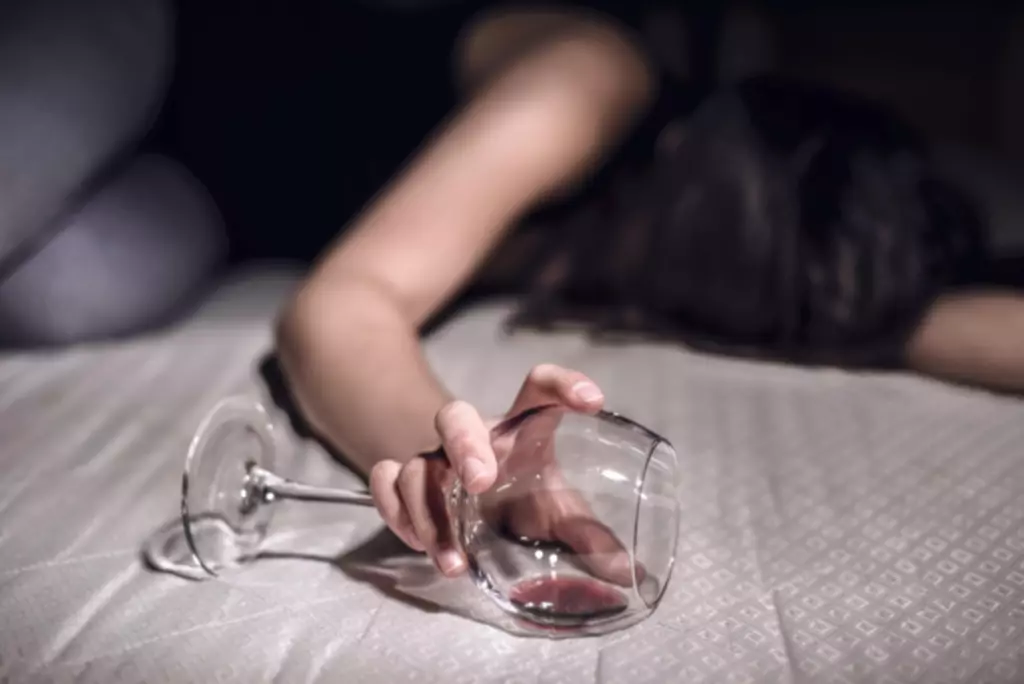
Opioid use disorder can lead to serious consequences like addiction or even death. Reach out for help if you suspect an opioid use disorder so that you or a loved one can get help. Opioid use disorder is a challenging condition, but help is available. Many people are able to achieve abstinence through therapy, medication, and support from loved ones. New formulations of naltrexone and buprenorphine allow you to receive medications just once a month through an injection.
- But some tribal citizens point out that the overdose crisis has had a disproportionate effect on their communities.
- These programs help people who have become dependent on Opioids overcome withdrawal symptoms.
- More than 120,000 deaths worldwide every year are attributed to opioids.[2] Examples of opioids include heroin (diacetylmorphine), morphine, codeine, fentanyl, and oxycodone.
- Patients who are highly motivated and have good social support tend to do better with the support of these medications.
Educate yourself on the signs and symptoms of overdose — and be prepared
You may also be addicted if you keep using the drug without your doctor’s consent, even if the drug is harmful for you. Opioid addiction can lead to problems in daily life, such as trouble with health, money, work or school, the law, or your relationships with family or friends. Those close to you may become aware of your addiction before you do. OD2A focuses on understanding and tracking the complex and changing nature of the drug overdose crisis by seamlessly integrating data and prevention strategies. If a doctor or paramedic gave you a drug to reverse an opioid overdose, your withdrawal symptoms may come on faster and feel worse. They also may cause changes in your blood pressure or heart rate that need medical attention.
Medications and behavioral therapies can help people with OUD stop using opioids and support them in their recovery. Your healthcare professional may recommend that you have naloxone available to lower your risk of an overdose. Naloxone reverses the effects of opioids during an emergency if you stop breathing.
Aside from dangerous health risks, Opiate abuse can also interfere with your personal life and close relationships with loved ones. Snorting or injecting Opioids produces an immediate “rush” that is far more intense than swallowing the pill form. However, a sudden surge of these substances in the body can lead to life-threatening complications, such as respiratory failure and overdose. Detecting drug abuse early on is the most effective way of preventing an addiction from developing. Finding the right addiction treatment program is the first step toward the road to recovery.
More doctors can prescribe a leading addiction treatment. Why aren’t more people getting help? – The Associated Press
More doctors can prescribe a leading addiction treatment. Why aren’t more people getting help?.
Posted: Wed, 24 Apr 2024 07:00:00 GMT [source]
